


8 Steps of the Scenic Design Process
Scenic design refers to the practice of creating the scenery or the background of a play or a performing arts piece. This requires the best possible utilization of space and making sure that each element being portrayed on the stage serves a unique function, whether it be adding aesthetic value to the play or acting as a prop to the story.
A scenic designer works with a team of sound designers, lighting designers, costume designers, and the director to explore how and why each item on the stage will have a context and will be used.
A scenic designer uses a variety of tools to help create a set ranging from visual script analysis to detailed sketches and scenic models. Although there is no one certain process of scenic design, taking a reference might prove to be of help to people new to set to design:
- 1. Reading the script thoroughly is the first step of the scenic design process. Only after reading it a few times would you come to understand the intricate elements from metaphors and imagery to the underlying symbolism and begin to think of ways to creatively present these elements through the scenery.
- 2. As you come up with some ideas, the second step of the plan is to refine these ideas so that they might be presented on the stage and accurately convey the intention as dictated by the plot. This refining can be done with a rough model of the ideas or with a thumbnail that represents the same.
- 3. After making some thumbnails, you can make a rough 3D model of your favorite ones and seek the help of others on your creative team to further refine the idea. As per the comments and suggestions that you receive, you can revise the idea to make it more apt for the situation.
- 4. The next step is to draw the renderings, or rather, a grayish representation of the objects used to portray a scene.
- 5. Then, after drafting down the refined ideas, you need to perfect them carefully through planning more details and measurements. For this, you should make a white model, which is a further complex and detailed version of the rough model you created. Try adding as many details as possible in this.
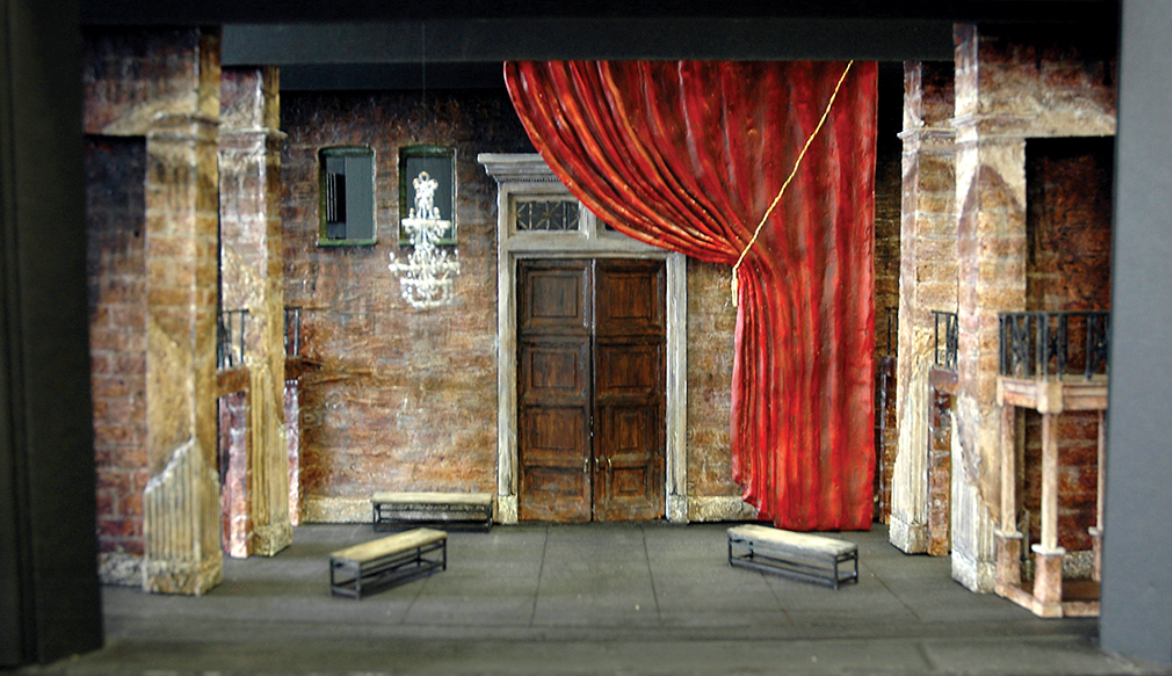
- 6. Next, you need to add colors and make a full-scale model or rendering before the rehearsals.
7. As the rehearsals begin, minor improvements would keep on happening to the scenic design with the suggestions and perspectives of the director, designers, and even the performers. You need to incorporate these elements into the set while ensuring that the overall scenic representation remains consistent.
8. These improvements and developments would keep on happening till the final performance and only at the end of the performance will your job as a scenic designer comes to an end.


