


Far away from the cacophony of life, Shetland archipelago, of the eponymous BBC Scotland show, plays host to mysteries. Based on the book series written by Ann Cleeves, the show produced by Peter Gallagher, stars Douglas Henshall as DI Jimmy Perez, a detective working on the murder of a teenage girl, while being a single-step-father to his teenage daughter Cassie.
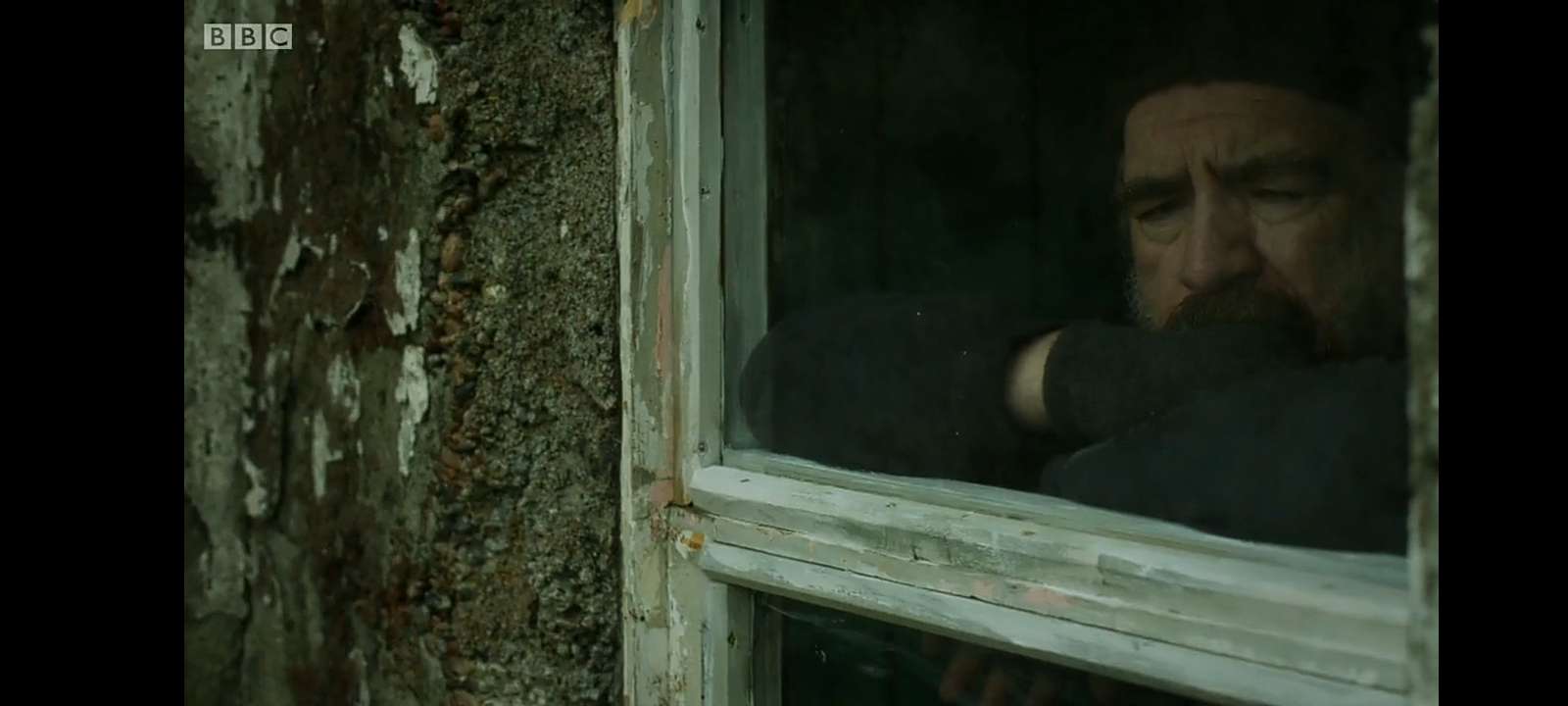
The story works by providing us an insight on the psychology of the natives, where nothing is as it seems. Even the midsummer light is unable to kill the darkness within, as Catherine Ross, a seventeen years old girl, is murdered and left to the kindness of ravens on the beach. While the obvious suspect to everyone is Magnus Tait, a mentally challenged recluse, played by the ever brilliant Brian Cox, who lives in a croft near where the body is found; the Detective, and through him the audience, feels unsatisfied to pin Magnus as the culprit. As DI Perez hunts externally for clues, the audience is invited to the internal turmoil of the characters, most of whom stand grey as the color of the Shetland sky.
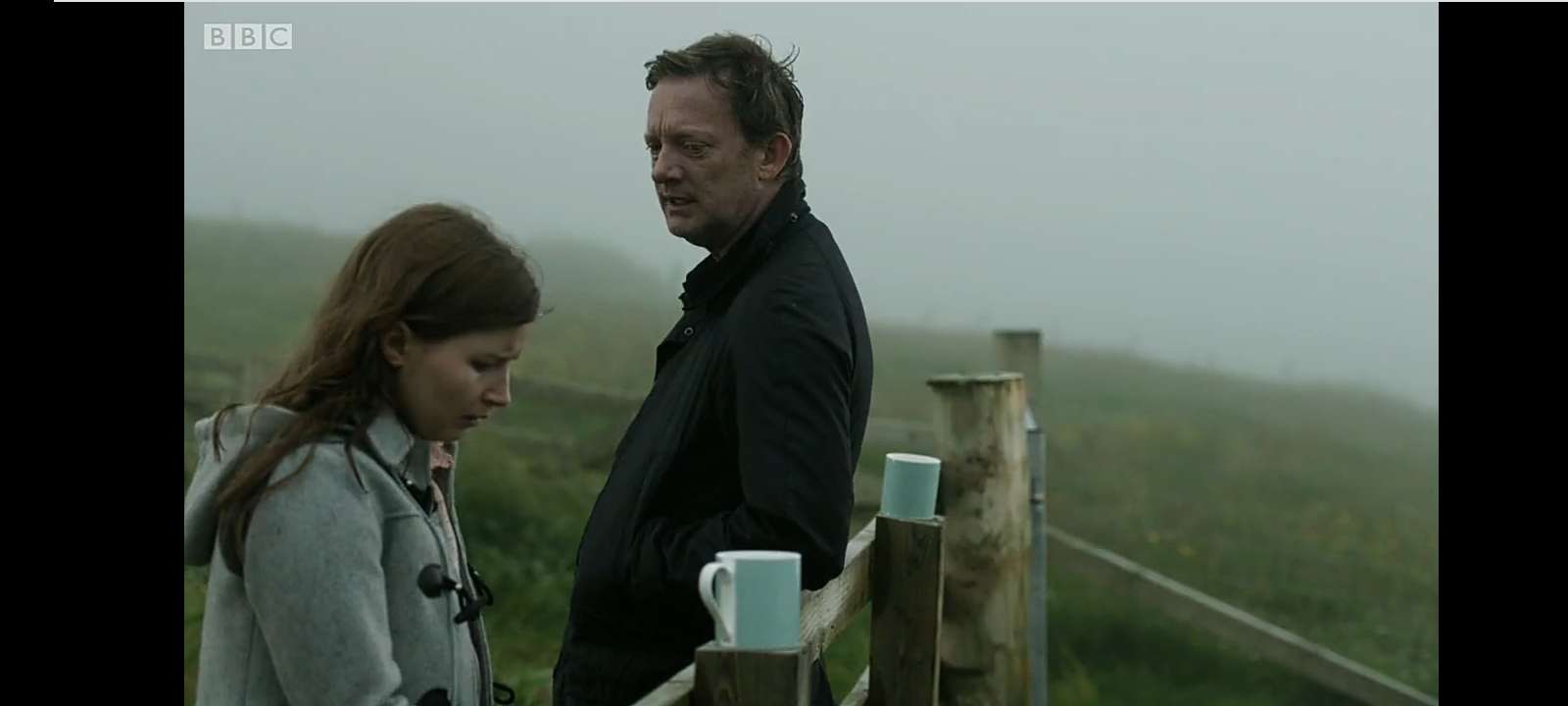
The screenplay is crafted to use character blocking to its fullest, and to add the impact of dialogues. It can be noticeably realized in the scene when DI Perez interacts with Sally Henry, Catherine’s best friend. While leaning onto a fence, mugs of coffee in hands they exude the dynamics of friends while still maintaining the facades that they are supposed to uphold, until the very end when all the pieces fall in place. The fence posts form an imaginary frame within a frame, a technique utilized multiple times in the two-parter.
The camera work is handled delicately, using long and wide shots with deep focus for establishing the relation between characters and the environment, to incorporate the natural beauty of the landscapes, and to address the ever present mist in the isles, that covers unknown threats from the unassuming. Rack focus has been used multiple times to direct the audiences’ attention to necessary details, like the opening shot from the beach party where we see Sally and Catherine talking with a group in their background out of focus, but as they look up to them, the focus shift and the group becomes visible making the audience one to one with a character that plays a pivotal role in the plot. This shot is followed by a handheld one in which we see Catherine and Sally heading home drunk, as the shaking camera invites us to their minds, dazed and uninhibited.
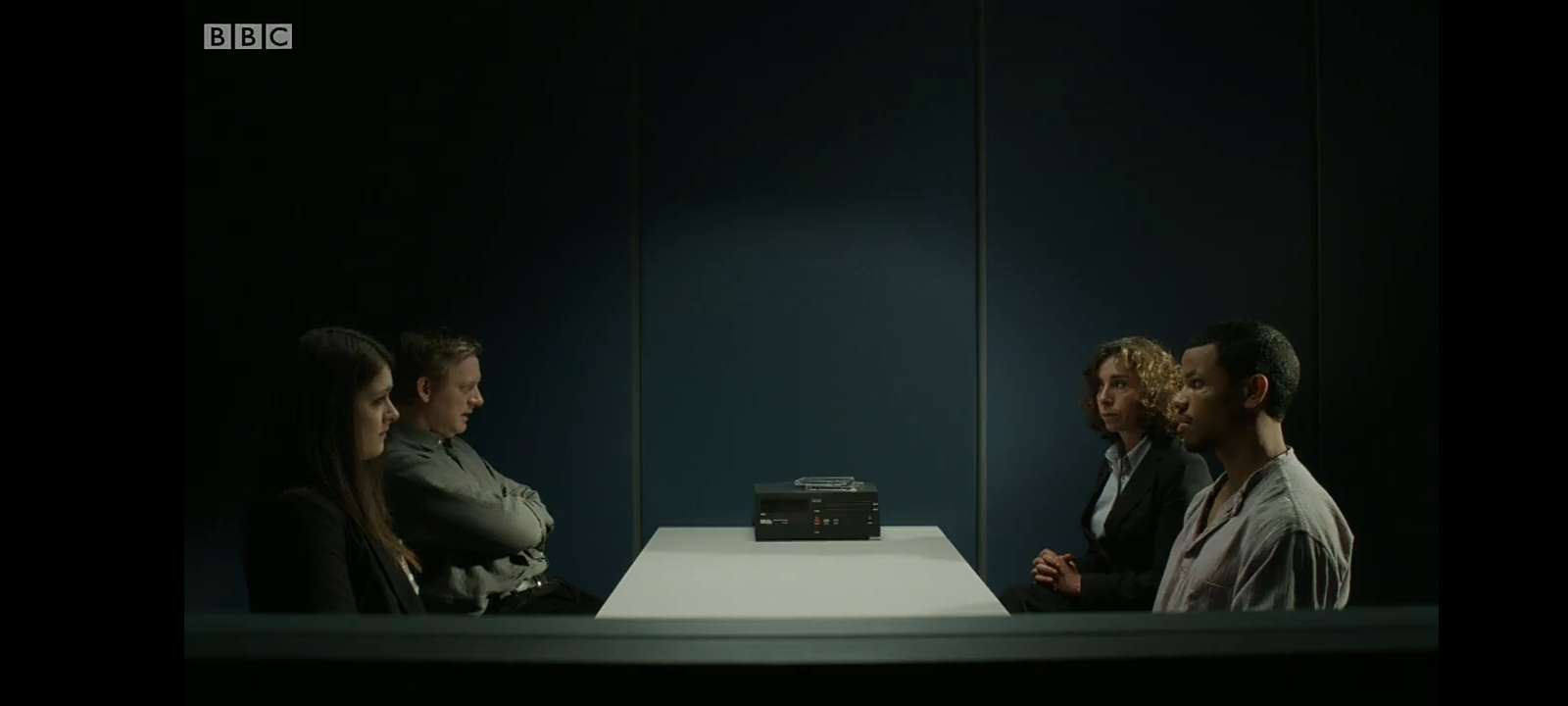
Utilizing a dull analogous color scheme the grittiness and intrigue is built in the show by panning the camera in conversations and clue hunting. The editing is done with a touch of subtlety to push the narrative by focusing on characters, by using the idea-match cut and preserving the eye-line matches.
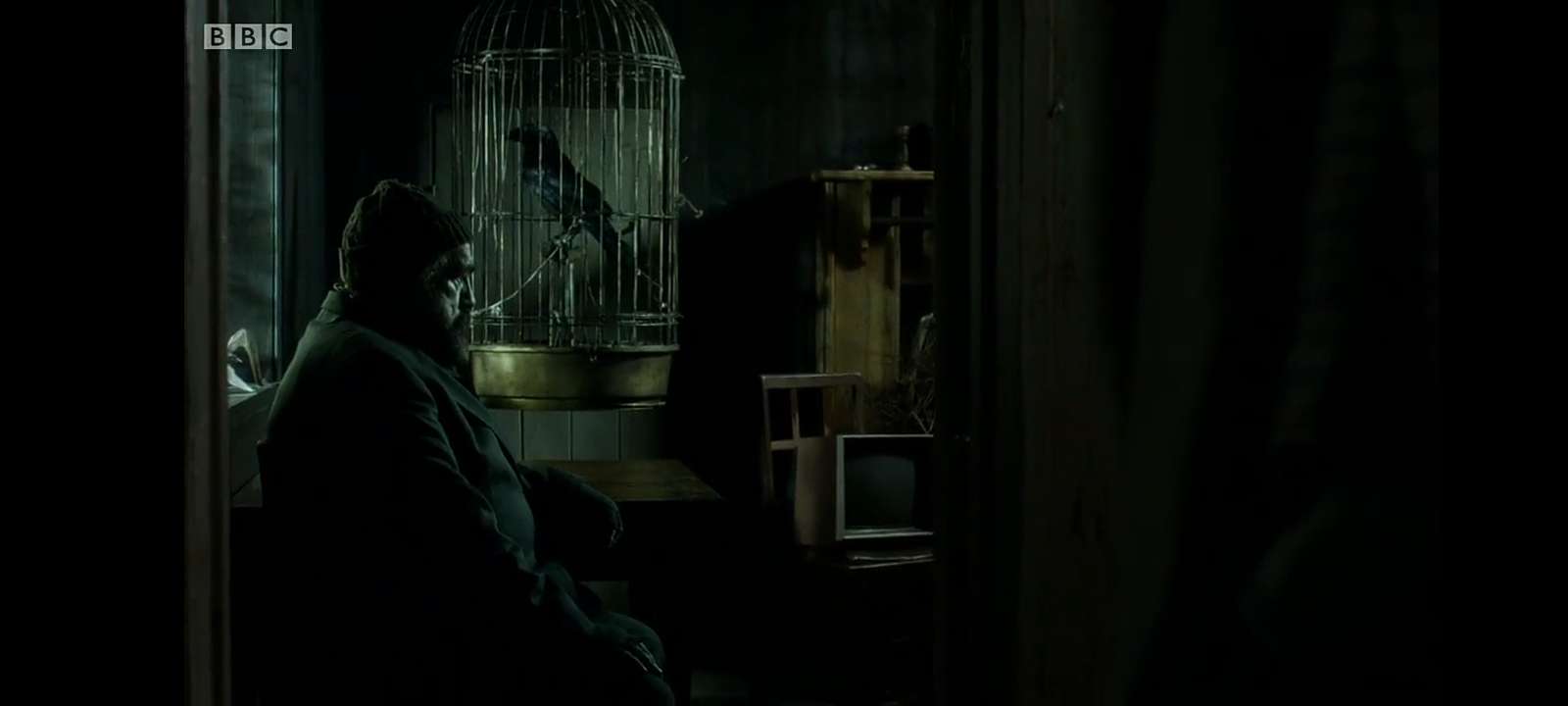
Through the narrative Catherine Ross, the titular Raven-Black, is conveyed as an outsider-by-choice, one who is too big for the cage-like-Shetland to contain, she is outspoken, a recluse, does not use social media just to stand out, a rebel. She is a raven, a raven despised by most. And so the prison kills the raven.
Shetland: Raven Black, a gritty thriller that is a must watch for people who love mysteries and whodunnits, available on amazon prime.


